Top 10 Tips When Evaluating Ai Trading Platforms Based On The User Interfaces They Provide And Experiences
The User Interfaces and the User Experiences are essential to the effectiveness of an AI trading platforms that predict and analyze stocks. Poorly designed interfaces can hinder decision-making, even if the base AI models are robust. Here are the top 10 guidelines for evaluating the UX/UI of these platforms:
1. The user’s ease of use as well as the intuitiveness of the product is evaluated
Navigation: Make sure the platform is simple to navigate, with clearly defined menus, buttons and workflows.
Learning curve: Evaluate the speed with which a beginner can comprehend and utilize the platform without any extensive training.
Consistency – Check the patterns used on all platforms to ensure consistency (e.g. buttons, colors styles, colors).
2. Check Customizability
Dashboard customization: Check if users can personalize dashboards to display relevant data as well as charts and metrics.
Layout Flexibility: The platform must allow users to move, rearrange or even move widgets.
Themes and preference. Check to see whether there are dark/light settings or other visual preferences.
3. Assess Data Visualization
Chart quality. Make sure that the platform provides top-quality interactive charts (e.g. Candlestick charts and Line charts) with zooming/panning capabilities.
Visual clarity: Check that the data is presented clearly and is labeled appropriately as well as legends and tooltips.
Updates in real-time: Make sure that visualizations change in real time to reflect market changes.
4. Test Reponsiveness and Speed
Speed of loading: Make sure that the platform is loading fast, even when there are huge datasets.
Real-time performance Check that the platform is able to process data feeds instantly without delays or lags.
Cross-device compatability: Check to see if your platform can be used on all devices (desktops and mobiles as well as tablets).
5. Accessibility must be assessed
Go through the mobile app to determine if the app has all the features that you require for on-the go trading.
Keyboard shortcuts – Make sure the platform is equipped with keyboard shortcuts that are available to power users.
Accessibility features – Check that the application is in compliance with accessibility standards.
6. Review the search and filtering functionality
Search function: Make sure that the platform allows you to search quickly for indexes, stocks and various other assets.
Advanced filters – Find out whether you can apply filters, like by sector, market cap or performance metrics, in order reduce the number of results.
Saved search: Check if the platform permits users to save frequently used searches and filters.
7. Check for Alerts and Notifications
Alerts that can be customized: Make sure users can create alerts for specific situations (e.g., price thresholds, volume spikes news happenings).
Notification delivery – Check if alerts are being delivered via multiple channels.
Timeliness: Make sure that alerts are set promptly and precisely.
8. Evaluation of Integration with Other Software
Integration with brokers: The platform needs to be connected to your brokerage account, so that trades can be executed easily.
API access. Check if a platform offers API access to users with advanced capabilities to build customized tools and workflows.
Third-party integrations : Check if the platform allows integration with other tools, such as Excel Google Sheets or trading bots.
9. Examine the Help and Support Features
Onboarding Tutorials: Check whether your platform provides tutorials or guides to new users.
Help center: Ensure that the platform provides a comprehensive knowledge base or a help center.
Customer support: Check whether the platform provides prompt customer service (e.g. email, live chat, phone).
10. Test The Overall Satisfaction of Users
User feedback: Research reviews and feedback to determine general user satisfaction with the platform’s UX/UI.
Trial time: You may use a demo or free trial to test the platform and assess its usability.
Error handling: Check how the platform handles edge cases or errors (e.g. incorrect inputs, server downtime).
Bonus Tips
Aesthetics: While functionality is key aesthetics are important, a pleasing design can enhance the overall experience for users.
Performance under stress: Test your platform in volatile markets to verify that it’s stable and responsive.
Look for forums that are active and communities. Users can post their experiences and tips on these forums and communities.
Check these points to determine the user interface and UX of AI stock-predicting and analysis platforms. This will ensure they are efficient and user-friendly. They should also be aligned with trading needs. A well-designed UI/UX can help you make better decisions and execute your trades more effectively. See the top rated ai company stock blog for website recommendations including ai intelligence stocks, ai stock forecast, free stock trading, stock market investing, artificial intelligence stocks to buy, stock picker, ai investment bot, learn stock market trading, stock trends, stock shares and more.
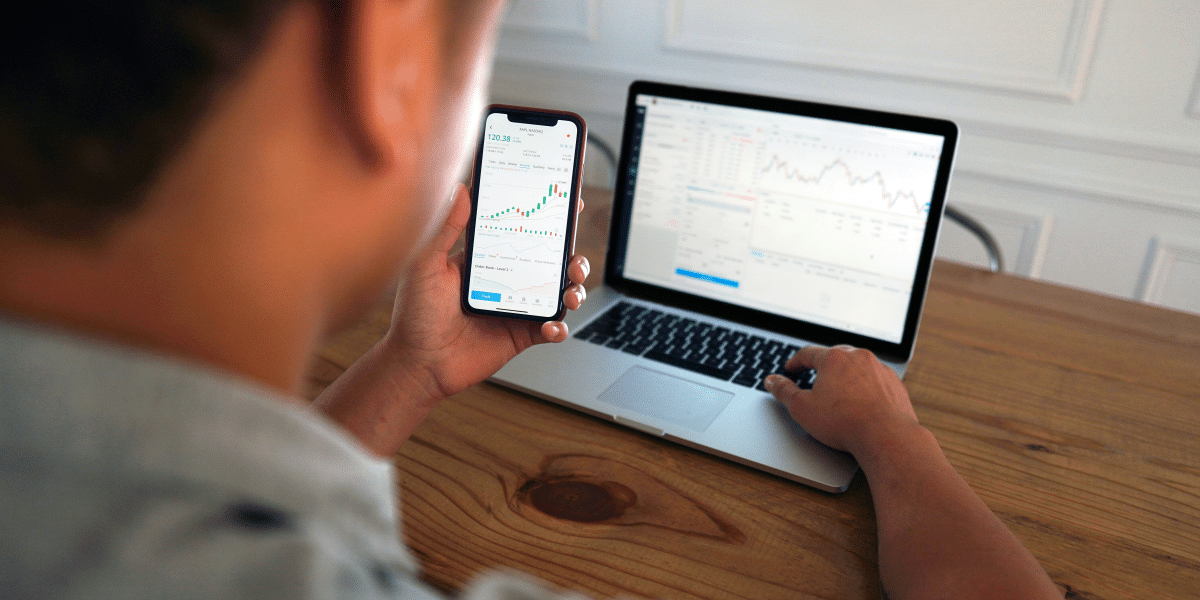
Top 10 Tips On Risk Management Of Ai Trading Platforms That Can Predict Or Analyze The Price Of Stocks.
Any AI trading platform that predicts or analyzes stocks has to have risk management in place, which is essential to safeguard your capital and minimizing losses. Platforms with robust risk-management tools will help you navigate turbulent market conditions and make informed decisions. Here are 10 top strategies to help you evaluate the risk management capabilities of these platforms.
1. Examining Stop-Loss or Take Profit Features
Configurable settings: Ensure that you set your limit of take-profit or stop-loss for specific trades.
Check the platform to see if it supports trailing stopped, which will adjust automatically in the event that the market changes in your direction.
Guaranteed stops: Verify if the platform offers guarantees on stop-loss orders that ensure your position is closed at the specified price even in markets that are volatile.
2. Effective Tools to Assess Position Size
Fixed amount: Make sure your platform allows you to create the positions you want to take based upon a sum of money fixed.
Percentage portfolios: Discover if the risk can be controlled proportionally by establishing your positions as a per percentage of your portfolio.
Risk-reward ratio: Verify whether the platform allows setting risk-reward ratios for specific strategies or trades.
3. Look for Diversification Support
Multi-asset trading. Check that your platform supports multiple asset classes such as ETFs as well as Forex, Options and Stocks.
Sector allocation Check to determine whether there are any tools that can be used to manage and monitor exposure to the sector.
Diversification of geographical areas – Make sure that the platform supports trading on international markets. This can help reduce geographical risks.
4. Evaluation of Leverage and Margin Controls
Margin requirements – Check that the platform clarifies the requirements for margins clearly.
Be sure to check for limits on leverage. You can use this option to manage your risk exposure.
Margin call: Make sure whether the platform provides timely notification for margin calls. This will help prevent account closure.
5. Assess the Risk Analytics Reporting
Risk metrics. Make sure that your platform provides you with key risk indicators (e.g. VaR Sharpe Ratio, Drawdown) that are pertinent to the portfolio you are managing.
Scenario assessment: Find out whether you can simulate various market scenarios using the platform in order to determine the potential risk.
Performance reports: Verify if the platform provides complete performance reports, including risk-adjusted returns.
6. Check for Real-Time Risk Monitoring
Portfolio monitoring. Be sure your platform can monitor the risk in real-time of your portfolio.
Alerts and notifications. Verify whether the platform offers real-time notification of risk-related events.
Check the risk dashboards. If you want to get a full picture of your risks, make sure that they are customizable.
7. Testing of Backtesting and Stress Evaluation
Stress testing: Ensure the platform you use allows you to test your strategies or portfolio in extreme market conditions.
Backtesting: Check if the platform supports backtesting strategies with previous data to evaluate the risk and effectiveness.
Monte Carlo Simulators: Verify whether the platform uses Monte Carlo models to model possible outcomes and assess risks.
8. Risk Management Regulations: Assess compliance
Check that the platform satisfies the requirements of regulatory compliance (e.g. MiFID II regulations in Europe, Reg T regulations in the U.S.).
Best execution: Make sure that the platform follows best execution practices. This will ensure that trades are executed to the highest price possible in order to reduce the chance of slippage.
Transparency Examine the transparency of the platform and the clarity of risk disclosure.
9. Check for user-controlled risk parameters
Custom Risk Rules: Ensure that you are able to define your own rules for managing risk (e.g. an amount that is the maximum loss per day, a maximum size of a tradable position).
Automated risk controls: Determine whether the system can automatically enforce rules for risk management based on your predefined parameters.
Check whether the platform permits manual overrides for automated risk control.
Reviews of User Feedback and Case Studies
User reviews: Examine feedback from users to assess the platform’s effectiveness at managing risk.
Case studies Look up cases studies or testimonials that demonstrate the platform’s capability to control risk.
Community forums: Find out if the platform has an active community of users where traders can share tips for managing risk and strategies.
Bonus Tips
Trial period: Make use of a demo free or trial period to try the risk management capabilities of the platform in real-world scenarios.
Customer support – Make sure that the platform offers a robust assistance for any questions or issues relating to risk.
Check for educational sources.
By following these tips to evaluate the risks managing capabilities of AI trading platforms that predict or analyze stocks, ensuring you choose a platform that helps to protect your capital and limit the possibility of losses. Robust risk management tools are vital to navigate the unstable markets and achieving long-term trading success. Check out the most popular sell on investing with ai for more info including best ai penny stocks, best ai stock prediction, free ai tool for stock market india, ai options, best ai stock prediction, chart ai trading, ai trading tool, ai stock prediction, trading ai tool, stocks ai and more.

About the Author
